

Is Sedation Dentistry Safe? What Suffolk Oral Surgery Patients Should Know
Is Oral Sedation Safe?
The surgeons at Suffolk Oral Surgery routinely utilize sedation dentistry to ensure patient comfort during various procedures, ranging from wisdom tooth extractions to complex jaw surgeries. We offer different levels of sedation, including oral sedation, IV sedation, and (in rare cases) general anesthesia, depending on the complexity and length of the procedure being performed.
What is Sedation Dentistry?
Sedation dentistry focuses on helping you relax and feel comfortable during dental procedures or oral surgery. Most levels of sedation, including oral and IV sedation, do not put you to sleep but into a state of deep relaxation without anxiety. Under IV sedation, you may drift in and out of semi-consciousness, sometimes referred to as “twilight sleep.” Following a procedure performed using sedation dentistry, you may experience short-term amnesia and not remember your procedure. During the procedure, you do not feel any pain.
Types of Sedation Used in Oral Surgery
We may use any of the following types of sedation for your oral surgery procedure:
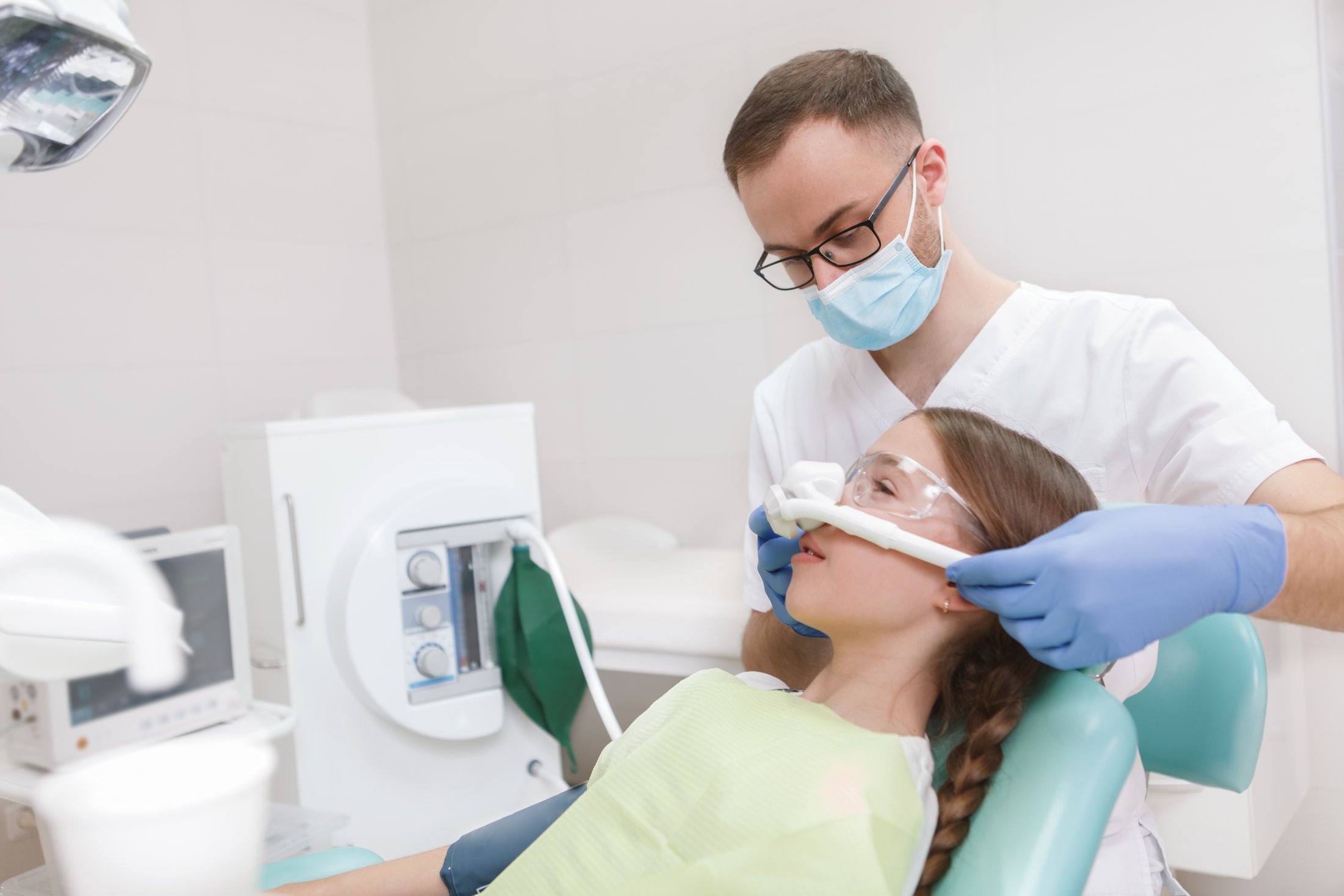
- Nitrous Oxide: For minor oral surgery and dental procedures, nitrous oxide, also known as laughing gas, can help relax your nerves and ease your anxiety. This is the lightest form of sedation dentistry. You remain aware but feel carefree and giddy. Once your procedure is complete, we administer oxygen to flush the nitrous oxide out of your system quickly.
- Oral Sedation: For oral sedation, we prescribe one of several possible sedative medications that you take a few hours before your procedure. You will need to have someone drive you to and from your appointment, as you will be relaxed and groggy after the procedure.
- IV Sedation: This is one of our most commonly used forms of sedation. We place an IV line in your arm to administer anesthesia directly into your bloodstream. This is the most potent form of conscious sedation. You may fall asleep but will be able to respond to your surgeon. You are closely monitored while under IV sedation, which is used for patients with severe dental anxiety and anyone undergoing a lengthy oral surgery procedure.
- General Anesthesia: General anesthesia is typically administered in a hospital or surgical center by a licensed anesthesiologist. We generally only use general anesthesia when required for lengthy, invasive procedures such as orthognathic surgery. Under general anesthesia, your breathing is regulated, and you are completely unconscious.
Is Sedation Dentistry Safe?
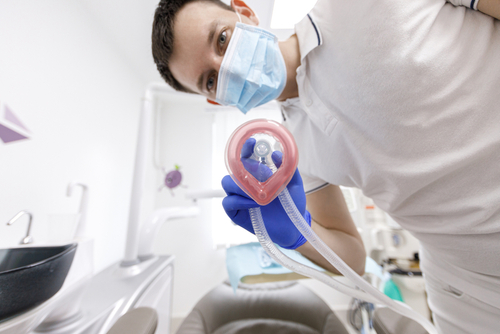
Yes. The surgeons and staff at Suffolk Oral Surgery are fully trained in administering various forms of sedation. They are also CPR-certified in the rare event that a complication arises while a patient is sedated. Dental anxiety and fear of pain both increase the risk of complications during dental procedures, as patients may move or flinch during a procedure. Sedation dentistry removes these risks and allows us to perform oral surgery without anxiety interfering with the results.
Benefits of Sedation for Oral Surgery Patients
- Pain reduction. Sedation interferes with the transmittal of pain signals.
- Anxiety reduction.
- Improved patient cooperation.
- Sedation can suppress overactive gag reflexes.
- Oral surgery procedures go more smoothly and are completed more quickly when patients are sedated.
- Patients usually don’t remember the surgery.
- Patients are more comfortable and able to tolerate procedures without stress or fidgeting.
Risks & Side Effects of Sedation Dentistry
As with any procedure or medication, there is a risk of side effects when given dental sedation. Most of these side effects are mild and temporary, including:
- Drowsiness
- Dry mouth
- Mild headache following the procedure
- Nausea or dizziness (more common with IV sedation)
- Bruising at the IV site
More serious side effects are rare but may include:
- Allergic reactions to the sedatives.
- Respiratory problems (usually with IV sedation or general anesthesia)
- Cardiovascular issues such as blood pressure or heart rate complications.
What to Expect Before, During & After Sedation

Before using any form of sedation dentistry in Stone Brook, we review our patients’ medical histories with them, including the medications they take and any medical conditions that may affect their use of sedation.
During sedation dentistry, you will feel relaxed, happy, and stress-free. You will not feel any pain, and time will seem to pass quickly. After your procedure is finished and sedation begins to wear off, you may feel groggy or light-headed for a while. If you have received IV sedation or general anesthesia, you will need someone to watch you for the first 24 hours, as it takes some time for your body to flush all traces of the medication out of your system.
FAQs About Sedation Dentistry
Is oral sedation safe for oral surgery?
Yes. For many types of oral surgery, such as tooth extractions and bone grafting, oral sedation is a safe and effective option. However, we ask that you inform us of any medications you are currently taking so that we can choose the appropriate oral sedative for you.
Will I be awake during sedation dentistry?
In most cases, you will be “sort of” awake. The medication in your system will cause you to feel deeply relaxed. You may feel groggy and slip in and out of a state of semi-consciousness. However, you will be able to respond to your surgeon’s requests if necessary. You will not feel any pain and will most likely not remember any of the procedures once the sedation wears off.
Is sedation safe for children or seniors?
Yes. Sedation dentistry can be extremely helpful for children and seniors who may not be comfortable sitting in the dental chair for long periods. Children and seniors often have a strong gag reflex or a fear of dental work, and sedation makes the process more comfortable for them.
How long does sedation last after oral surgery?
Nitrous oxide can be flushed out of the system within a few minutes, allowing you to drive yourself home if you feel up to it. Oral sedation typically takes several hours to leave your system fully. IV sedation may take the rest of the day, and you will not be able to drive or operate machinery during this time. General anesthesia, when it is used, takes up to 24 hours to leave your system and requires careful monitoring.
Do I need someone to drive me home after sedation?
It is always a good idea to have someone drive you home following oral surgery, as you may be feeling some minor pain. While you do not have to have someone drive you home following nitrous oxide use, you must have someone available to drive you home following oral or IV sedation or general anesthesia.
Our surgeons value the comfort and safety of our patients. If you are undergoing dental or oral surgery at any of our Suffolk County offices, your surgeon will determine the best type of sedation for you. To learn more about sedation dentistry in Stony Brook and our offices in Smithtown and Holbrook, please call Stony Brook Office Phone Number 631-689-7575.
Safe, Comfortable Sedation Dentistry for Suffolk Patients
Oral Surgeon at Suffolk Oral Surgery Associates, LLP in Stony Brook, NY provides personalized, closely monitored sedation options so you can get the care you need without fear. Have questions about safety or which option is right for you? Call us or request a consultation to discuss a sedation plan tailored to your needs.
Comments are closed.